


How MHP supports process decisions
Three examples of the studies and reviews MHP delivers, from a single defined problem to a phased plant design. Client details are withheld. Every figure comes from the original reports.
Mixed-metals plant development
- ClientUK mixed-metals recycler
- MaterialZorba, meters, valves, compressors, e-waste
- DeliverablesLayouts, flows, equipment rationale, OEM pricing
The question
The site held a wide mix of grades: Zorba, analogue meters, gas valves, fridge compressor pots, e-waste and pre-shredded fridge aluminium with copper. The existing 75 kW chain mill had no internal screen and produced output of roughly 40–200 mm, too coarse to liberate composite items.
The business wanted to recover copper and brass, separate wire, split red metals from grey, and invest in stages rather than as one capital project.
What MHP did
- Visited the site and reviewed the material, separating confirmed facts, site observations and recommendations.
- Designed the process around the material mix and the products required, not around a preferred manufacturer.
- Kept the existing feed hopper, picking conveyor and dust extraction, adding airflow control to stop product being drawn into extraction.
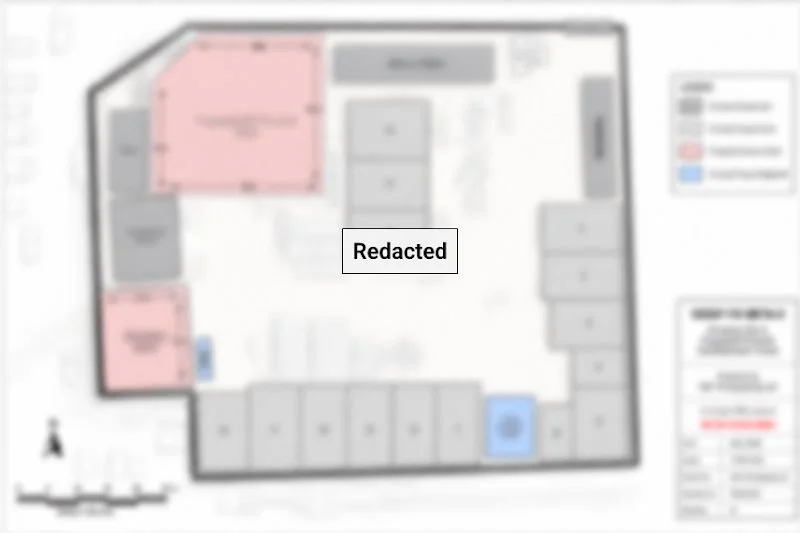
- Produced site layouts, process flows and equipment rationale, and sourced indicative OEM pricing.
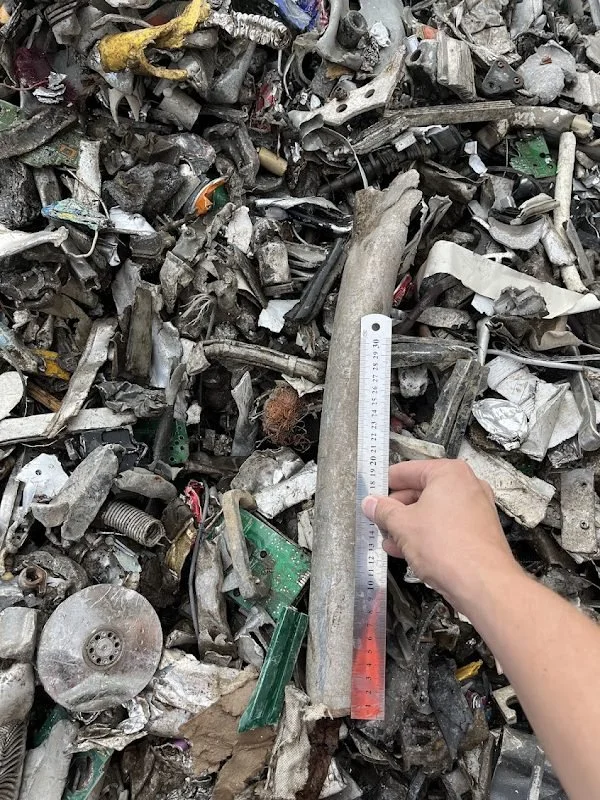
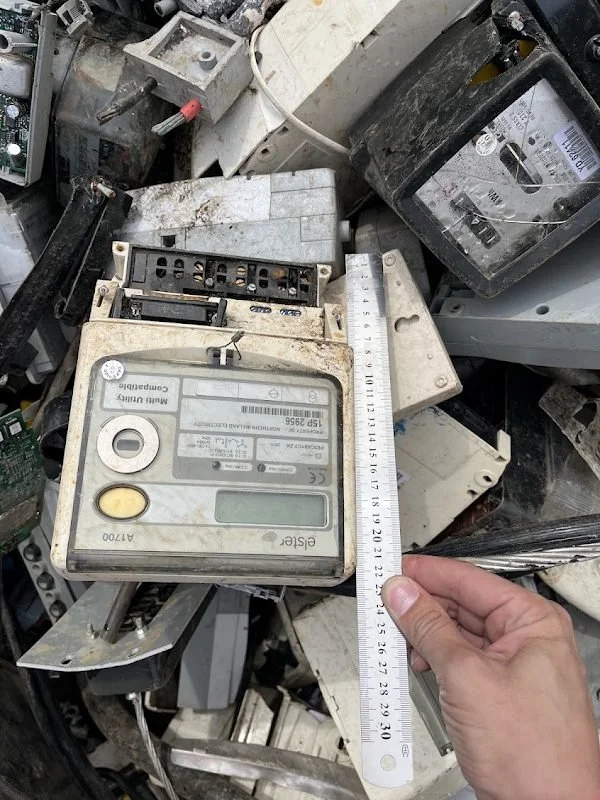
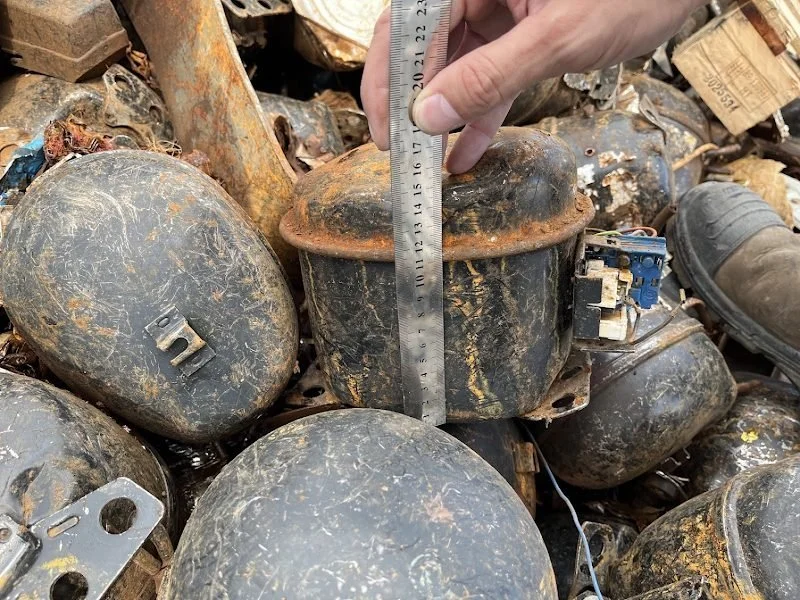
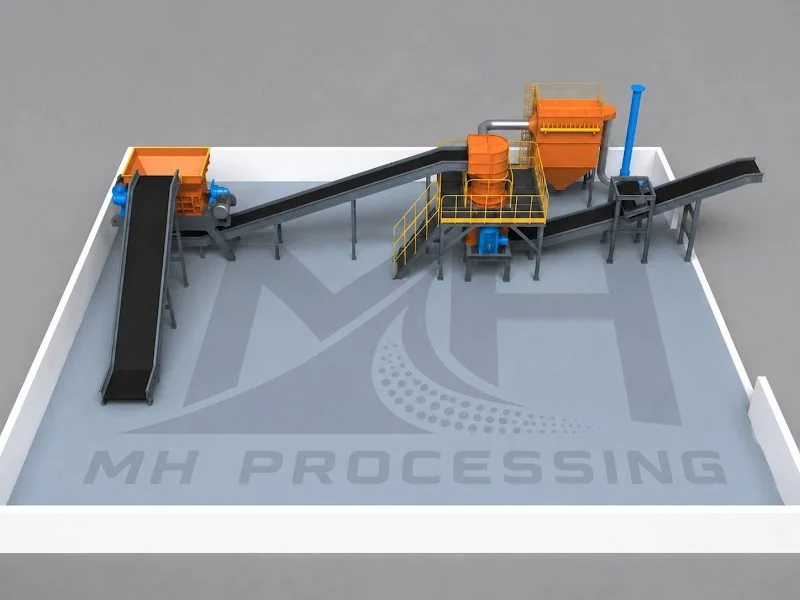
- Existing hopper
- Pre-shredder
- Vertical hammer mill
- Overband magnet
Targets roughly 30–50 mm for most material, with ferrous removed after liberation so joined non-ferrous is not lost.
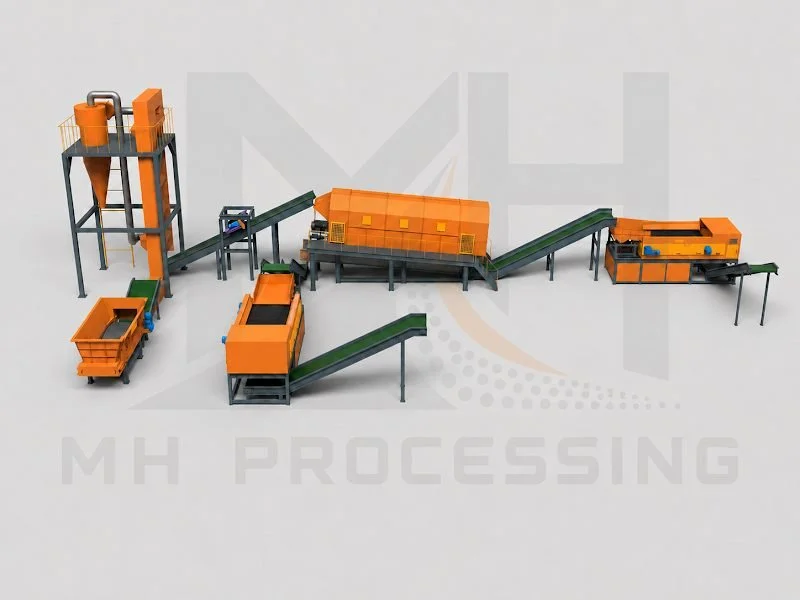
- Belt-fed hopper
- Zig-zag air separation
- Overband magnet
- 15 mm trommel
- Two ECS circuits
- Selected product streams
- Dual-layer AI optical sorter
- Product-specific recipes
One flexible sorter refines several products in batches, subject to material trials.
A manufacturer-independent basis for deciding what to build, in what order and how far to go. Each package can be funded and run separately, and the design can be used to obtain alternative supplier proposals.
Legacy fines value recovery
- ClientUK metal recycler
- Materialc. 500 t sub-20 mm fines
- DeliverablesFeasibility trial, staged route, indicative pricing
The question
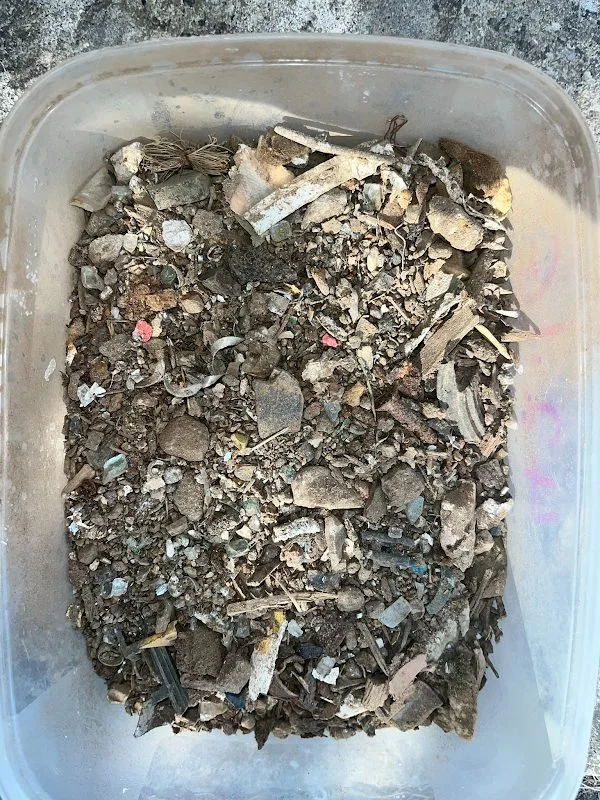
The client held around 500 tonnes of fines left over from historic ferrous shearing and screening. It had been offered an outlet at a gate fee below the cost of landfill, but was concerned that recoverable metal would leave site with it.
A laboratory sample would not represent such a variable stockpile, so the business needed another way to decide whether processing was worth it.
What MHP did
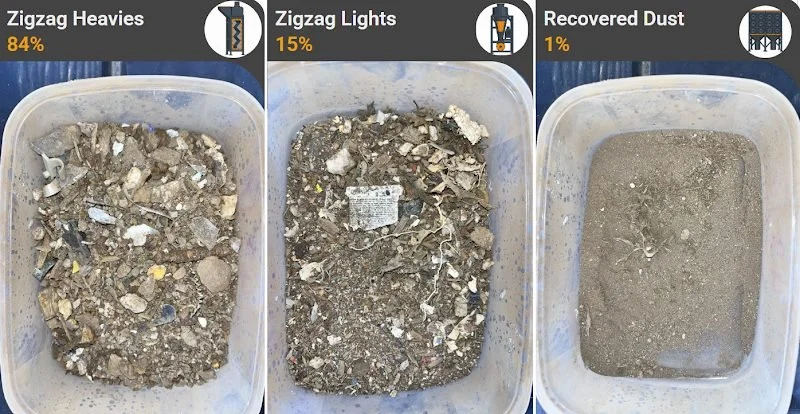
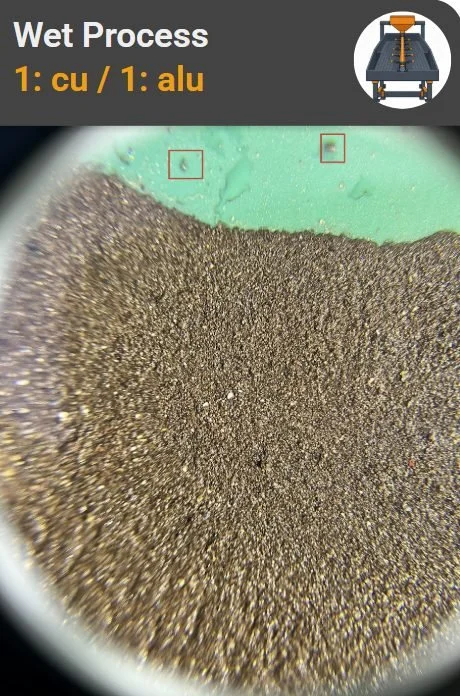
- Sampled the stockpile from several locations and ran a small feasibility trial using screening, zig-zag air separation and a wet-gravity check.
- Identified missed fine ferrous as the strongest opportunity: the historic grab-mounted magnet gave small particles poor, inconsistent exposure.
- Found no recoverable precious-metal fraction in the tested sample and very little non-ferrous in the light fraction, so wet processing was not recommended as the main route.
- Designed a staged route with representative equipment and indicative pricing.
- Feed hopper
- Conveyor with overband magnet
- Twin-deck screen
- Stand-alone ECS
The screen splits the feed into under 6 mm, 6–20 mm and over 20 mm. The two larger fractions run through the same ECS in separate campaigns, with settings for each size. All equipment stays mobile and reusable.
- Zig-zag air separation and cyclone
- Chute-fed AI optical sorter
- Water table for the finest material
The client can start with a low-complexity mobile route that recovers the known ferrous value and measures the real non-ferrous recovery before committing to fixed plant. Phase 1 records tonnes, fraction weights, sale values and disposal savings, which decide whether Phase 2 pays.
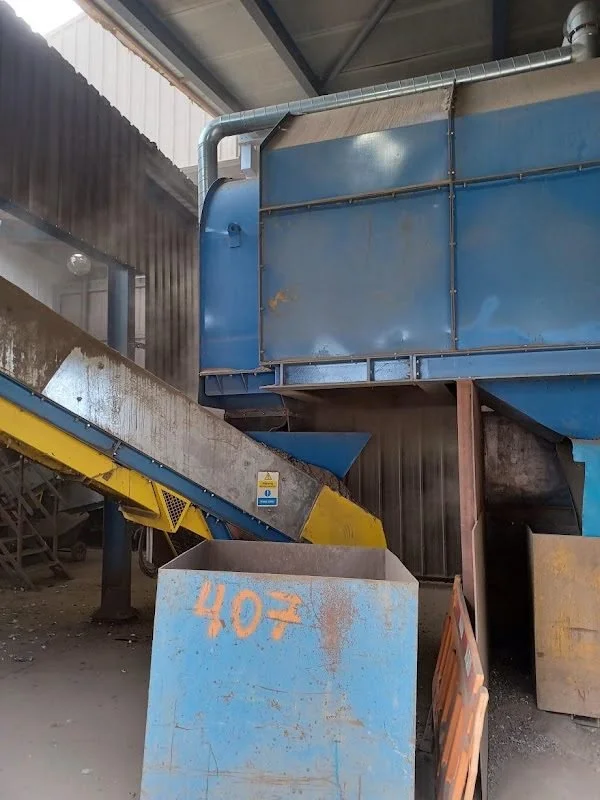
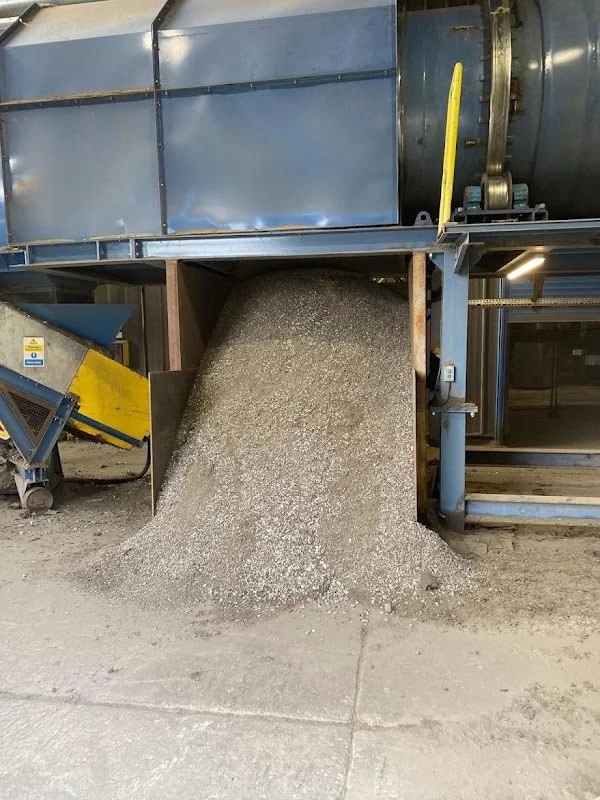
Drying drum line audit
- ClientUK metal recycler
- EquipmentRotary drying line, mixed non-ferrous
- DeliverablesAudit findings, prioritised workstreams
The question
The drying line was expected to process 12 tonnes per hour but generally ran below 8, and typically around 5–6. Wetter feed could need more than one pass.
The business needed to know why, and where to start.
What MHP did
- Reviewed the whole line: infeed and material presentation, conveyors and transfers, the heated drum, screening and outfeed, heating and air delivery, extraction, cyclone, filtration and dust discharge.
- Separated causes from symptoms where problems interacted.
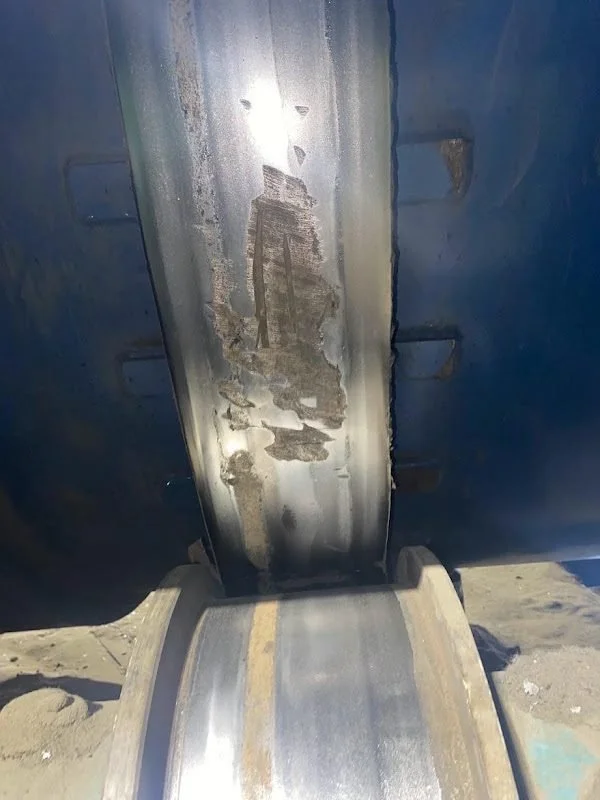
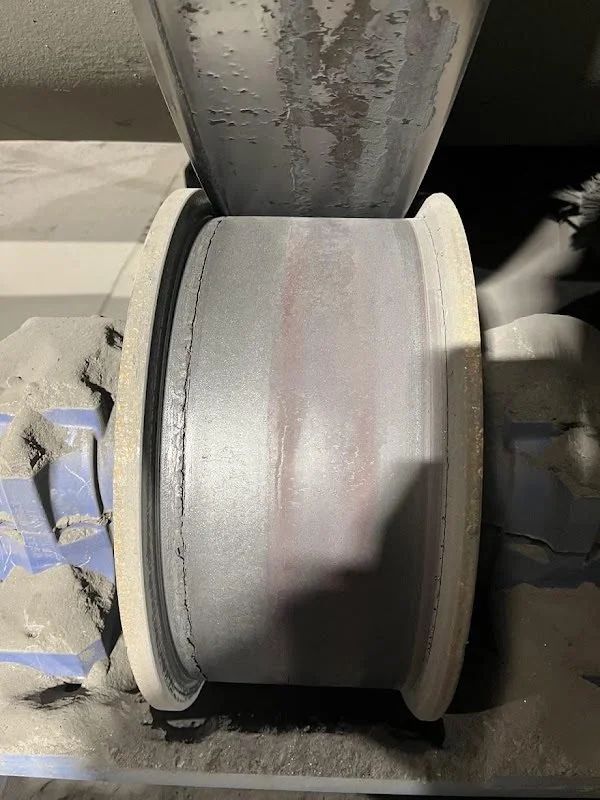
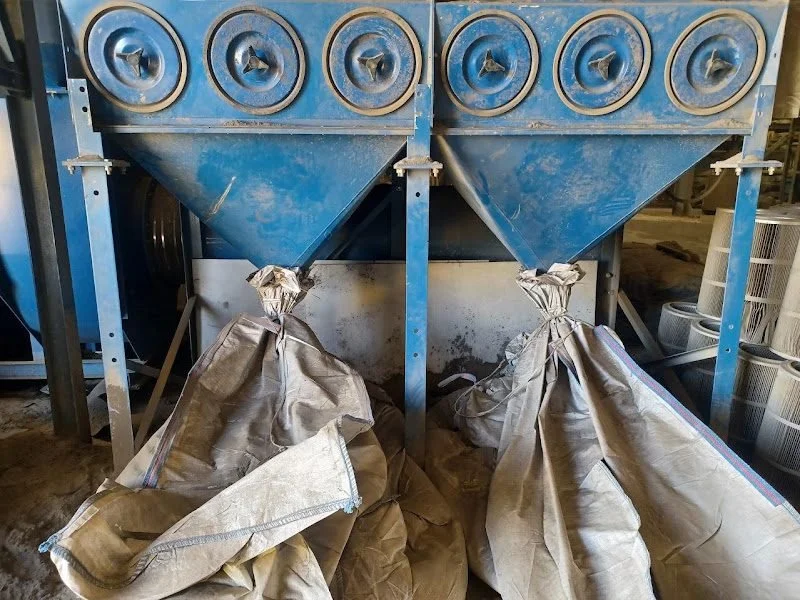
- Identified priority issues: dust control around the drum, under-performing heat delivery and unreliable temperature readings, worn guide-wheel and riding-ring interfaces, screen blinding, and open transfer points.
- Heating and temperature measurement
- Dust containment and extraction
- Drum supports and drive loading
- Screening and fines capture
- Transfer-point enclosure
- Reliability and maintenance
No single change would fix the line. The audit replaced trial-and-error with a clear, prioritised order of work across interacting faults.
Facing a similar decision?
Tell us about the material, the opportunity or the challenge. No lengthy brief needed.