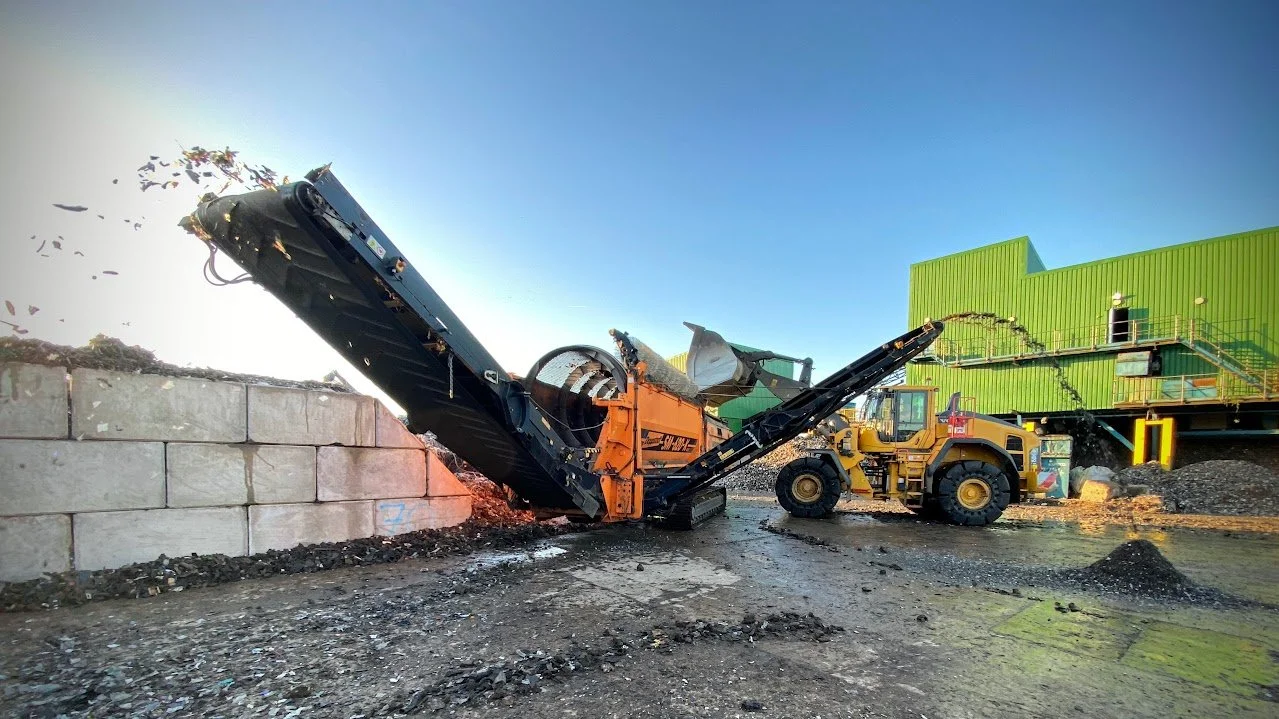
Explore Our Services
Practical operational support for metal recycling and processing businesses. From focused site audits and plant reviews through to full improvement projects, digital production systems and ongoing support, each service is tailored to the needs of the site.
What We Offer
-
Independent reviews of your operation to identify where control, performance or margin may be being lost.
The review can cover the full site or focus on a particular process line, material stream or operational issue. This includes looking at how material enters the site, how it moves through production, how outputs are measured and whether the current systems give management a reliable view of performance.
The aim is not simply to produce a long report. Findings are prioritised around operational risk, likely return on investment and what can realistically be implemented by the business.
Areas reviewed can include:
Production throughput and plant utilisation
Yield, recovery and material losses
Stock accuracy and reconciliation
Downtime and recurring breakdowns
Maintenance routines and critical spares
Material flow, storage and site organisation
Operator routines and shift handovers
Quality control and batch traceability
Dust, spillage and housekeeping issues
Health, safety and compliance gaps
Immediate improvements and longer-term CAPEX requirements
For example, an audit may identify that a plant is achieving the required product quality but only by running below its designed throughput. It may also uncover metal being lost into dust, waste or floor sweepings, incorrect equipment settings, weak stock controls or operators repeatedly working around the same unresolved problem.
Depending on the requirement, the service can range from a focused site snapshot through to a detailed multi-day audit including photographs, priority actions, commercial impact where measurable and a structured improvement roadmap.
Typical outputs include:
Findings report with supporting photographs
Priority list ranked by risk and return
Immediate actions and quick wins
30, 60 and 90-day improvement plan
Recommended process or equipment changes
Support with implementing the findings
Best suited to: businesses preparing for growth, sites experiencing recurring operational problems, new owners seeking an independent review, or larger groups needing a fresh assessment of a particular site or process.
-
Focused support to improve throughput, recovery, product quality and the overall stability of a processing line.
Plant performance can deteriorate gradually. Feedstock changes, components wear, operators adjust settings and temporary workarounds become permanent. Output may still look acceptable, but the plant can be losing capacity, recovery or margin without the business clearly seeing it.
This service reviews how the process is actually performing against what it should be capable of achieving. The focus is on making better use of existing equipment before recommending major capital expenditure.
Areas of support can include:
Throughput restrictions and plant bottlenecks
Feed presentation and material distribution
Shredder, granulator and screening performance
Air separation, zigzag and density-table settings
Optical, induction and sensor-sorting performance
Dust extraction and loss of metallic content
Conveyor speeds, transfer points and material retention
Product quality and contamination issues
Oversize, middlings and re-run generation
Operator settings and access controls
Plant cleaning, calibration and inspection routines
Trial planning and performance validation
For example, a plant may be producing too much middling material because an air separator is running too aggressively. The immediate response is often to re-run the material, but that creates additional labour, electricity use and lost production time. A review would look at the underlying cause, adjust the process and measure whether more material can be recovered correctly on the first pass.
Another example may involve a sorting machine appearing to lose performance. Before an expensive OEM visit is arranged, the review may find that cameras, viewing glass, lighting, belt presentation or chute settings are affecting separation quality.
The work can involve observation, sampling, mass-balance testing, setting trials and comparison of input and output data. Where suitable, operators and supervisors can also be given standard settings and routines to help maintain the improvement.
Typical outcomes include:
Increased throughput
Improved recovery and saleable yield
Reduced waste and metallic losses
Lower re-run volumes
More stable product quality
Reduced downtime
Better use of existing plant
Clear evidence before committing to CAPEX
Best suited to: sites with poor or inconsistent recovery, recurring product-quality issues, under performing equipment, excessive re-runs, increasing waste outputs or plant that is not achieving its expected capacity.
-
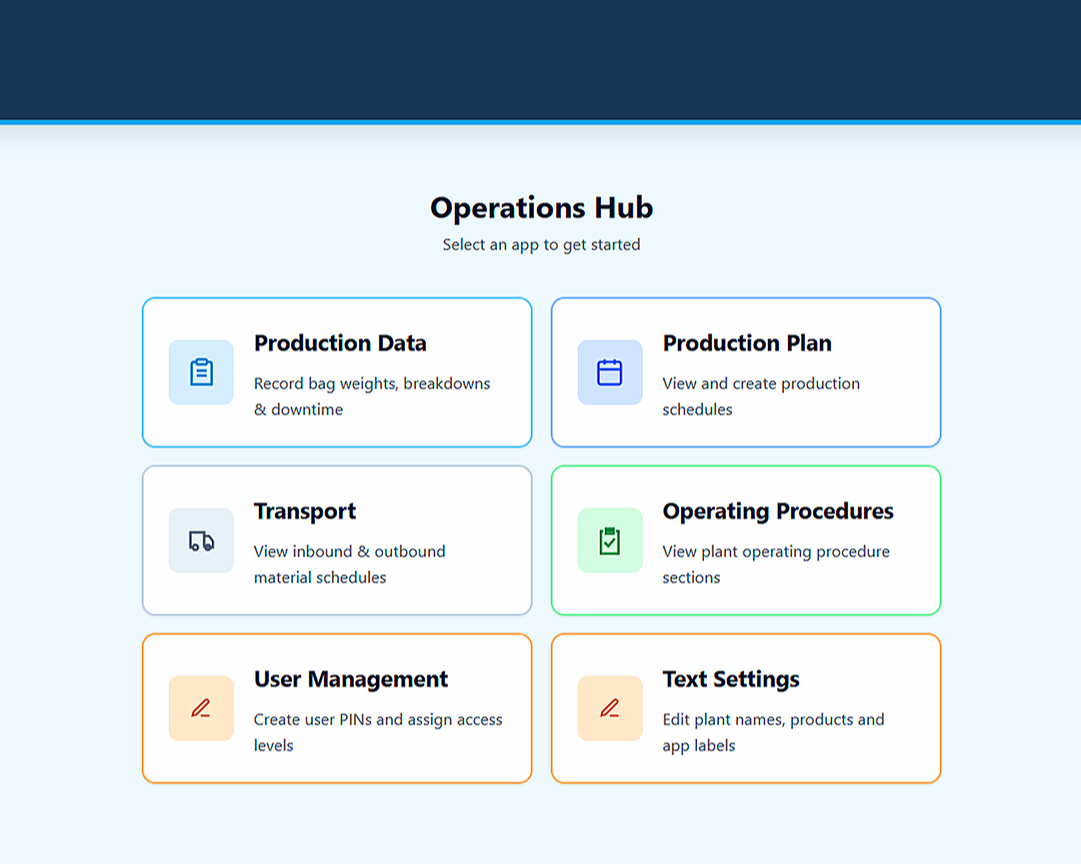
Practical systems that give management a clearer view of what is being processed, what is being recovered and where performance is changing.
Many recycling businesses grow faster than their operational controls. Production increases, more grades are introduced and additional staff or equipment are added, but the underlying tracking may still rely on handwritten sheets, weighbridge records, spreadsheets that do not connect or information held by individual employees.
This service helps introduce a level of control that matches the size and complexity of the operation. Systems can be kept deliberately simple or developed into a more detailed digital platform.
Areas of support can include:
Daily and shift production reporting
Input and output tonnage tracking
Yield and recovery reporting
Batch identification and traceability
Supplier out-turn reporting
Product-quality records
Downtime and breakdown logging
Stock movements and reconciliation
Production planning
Transport and dispatch planning
Packaging and order requirements
Operator data-entry systems
KPI dashboards and management reporting
Automated reports using Microsoft 365 tools
A simple first phase may use Microsoft Forms, Excel and Power BI to replace inconsistent paper records and prove that the business will use the system correctly.
A more developed second phase could bring production, downtime, transport, packaging, maintenance and stock movements into one operational platform. This allows management to see current performance, adjust production plans and identify problems without waiting for information to be manually compiled.
For example, supplier batches can be tracked from receipt through shredding, picking, separation and final saleable products. This gives the business evidence when a supplier’s material contains more contamination or produces a lower metallic yield than expected.
The focus is not on creating administration for its own sake. Data collection should be useful, proportionate and linked to decisions the business needs to make.
Typical outcomes include:
Clearer production visibility
Reliable yield and recovery figures
Improved supplier and purchasing decisions
Better stock accuracy
Faster identification of downtime and performance loss
Improved shift accountability
Stronger production planning
Better evidence for customer and supplier discussions
Best suited to: growing businesses relying on manual records, sites without reliable yield reporting, operations with poor stock visibility, or larger companies needing a focused digital system for a particular site or process.
-
CAPEX scoping, OEM liaison, Independent operational support for equipment purchases, plant installations, process changes and commissioning projects.
New equipment can be technically capable but still fail to deliver the expected result if the wider process has not been properly considered. Problems commonly arise around feed presentation, conveyors, access, material storage, extraction, electrical integration, operator training and the way equipment connects to the existing line.
MH Processing can support the project from the initial concept through to installation, ramp-up and performance validation.
Support can include:
Defining the operational requirement
CAPEX scoping and business-case development
Process-flow and layout reviews
Equipment and OEM comparisons
Supplier and OEM liaison
Tender and quotation review
Feedstock trials
Site-readiness planning
Installation coordination
Snagging and defect tracking
Commissioning support
Operator training and standard settings
Acceptance testing
Throughput, recovery and quality validation
Post-installation optimisation
For example, an OEM may supply a sorting machine that performs well during a controlled trial, but the production installation may still struggle due to inconsistent feed depth, poor screening or unsuitable conveyor speeds. Independent support helps ensure that the complete process is considered rather than assessing the new machine in isolation.
This service can also support smaller plant changes, such as modifying a picking line, replacing a screening unit, adding dust recovery equipment, improving bagging arrangements or changing the layout to reduce unnecessary material handling.
The role is not to replace the OEM or installation contractor. It is to represent the operational needs of the client and help ensure that the finished system works in normal production conditions.
Typical outcomes include:
Clearer equipment specifications
Reduced risk of unsuitable CAPEX
Better coordination between site and suppliers
Faster identification of installation issues
More controlled commissioning
Evidence that equipment meets agreed performance
Improved operator understanding
A clearer route from installation to stable production
Best suited to: businesses purchasing new equipment, expanding processing capacity, changing site layouts, commissioning sensor-based sorting systems or needing independent support during a complex installation.
-
Flexible ongoing support for businesses that need additional operational capacity but do not require another full-time senior employee.
This service is designed for owners, directors and management teams who need regular input around production control, process performance and improvement delivery.
Support can be provided through scheduled site days, remote reviews or a retained arrangement. The exact structure depends on the size of the business and the level of involvement required.
Ongoing support can include:
Weekly or monthly production reviews
Yield, throughput and downtime analysis
Production planning and performance reporting
Implementation of audit findings
Troubleshooting recurring process issues
Maintenance-priority reviews
Stock and material-flow controls
Supplier-quality and out-turn analysis
CAPEX planning
OEM and contractor coordination
Operator and supervisor development
SOPs and standard operating controls
Temporary operational or management cover
Progress tracking against improvement plans
Independent support to owners and directors
For a growing SME, this may mean introducing the operational structure normally provided by a Production Manager, Process Engineer or Continuous Improvement Manager without the cost of employing all of those roles internally.
For a larger group, the support may be narrower and focused on one site, plant, project or recurring performance issue where the internal team does not currently have the available time or specialist capacity.
For example, a retained review may involve assessing production and yield data each month, visiting the site to investigate variances, agreeing actions with management and then checking whether those actions have delivered the expected result.
The structure can also provide continuity after an audit or optimisation project. This reduces the risk of improvements being agreed but gradually falling away once normal operational pressures return.
Typical outcomes include:
Greater management visibility
More consistent production control
Faster resolution of recurring issues
Continued implementation of improvement actions
Better accountability
Reduced pressure on owners and senior managers
More informed CAPEX and operational decisions
Continuous improvement rather than one-off intervention
Best suited to: growing businesses, owner-managed sites, operations going through change, businesses without dedicated process or improvement roles, and larger groups requiring focused additional support.
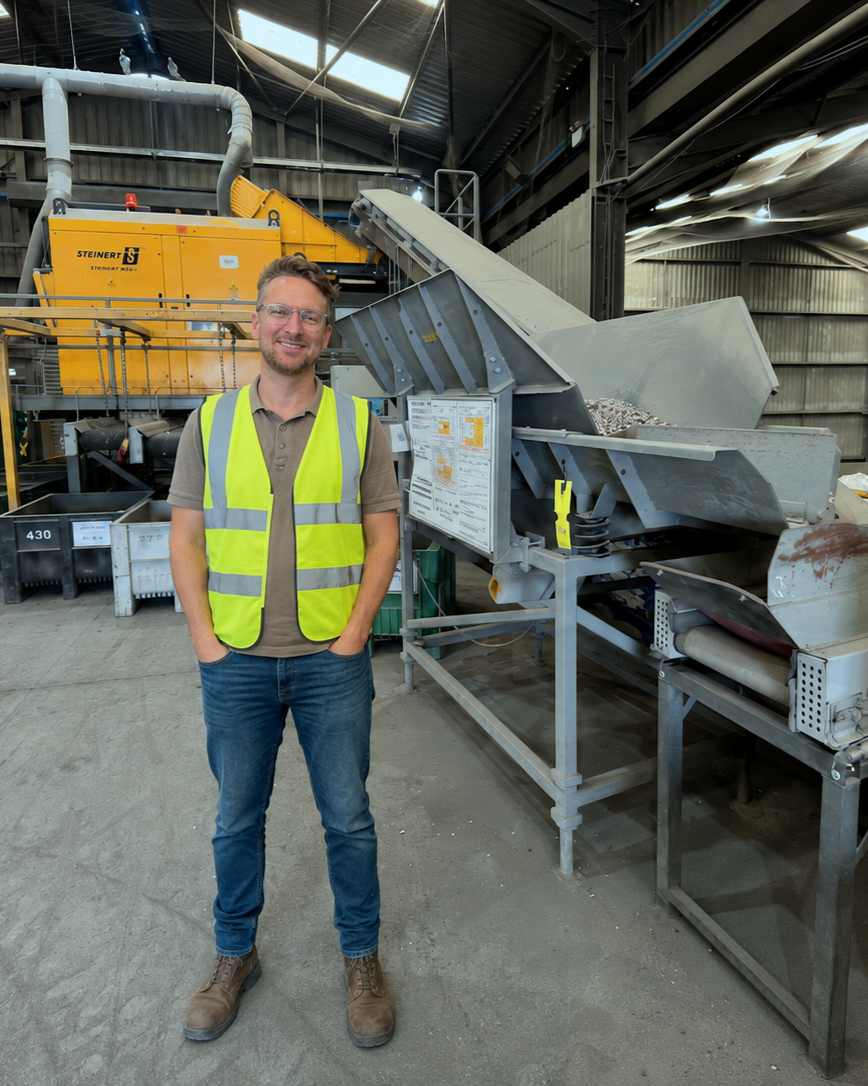
Our Process
Understand the Operation
Review the site, process, current controls and the specific issues affecting performance.
Identify the Gaps
Pinpoint losses, bottlenecks, weak controls, recurring problems and areas where value is being missed.
Build the Improvement Plan
Set clear priorities, practical actions and a realistic route for implementation.
Implement and Validate
Support the changes, measure the impact and confirm that the improvements are delivering results.
Digital Production Tracking System
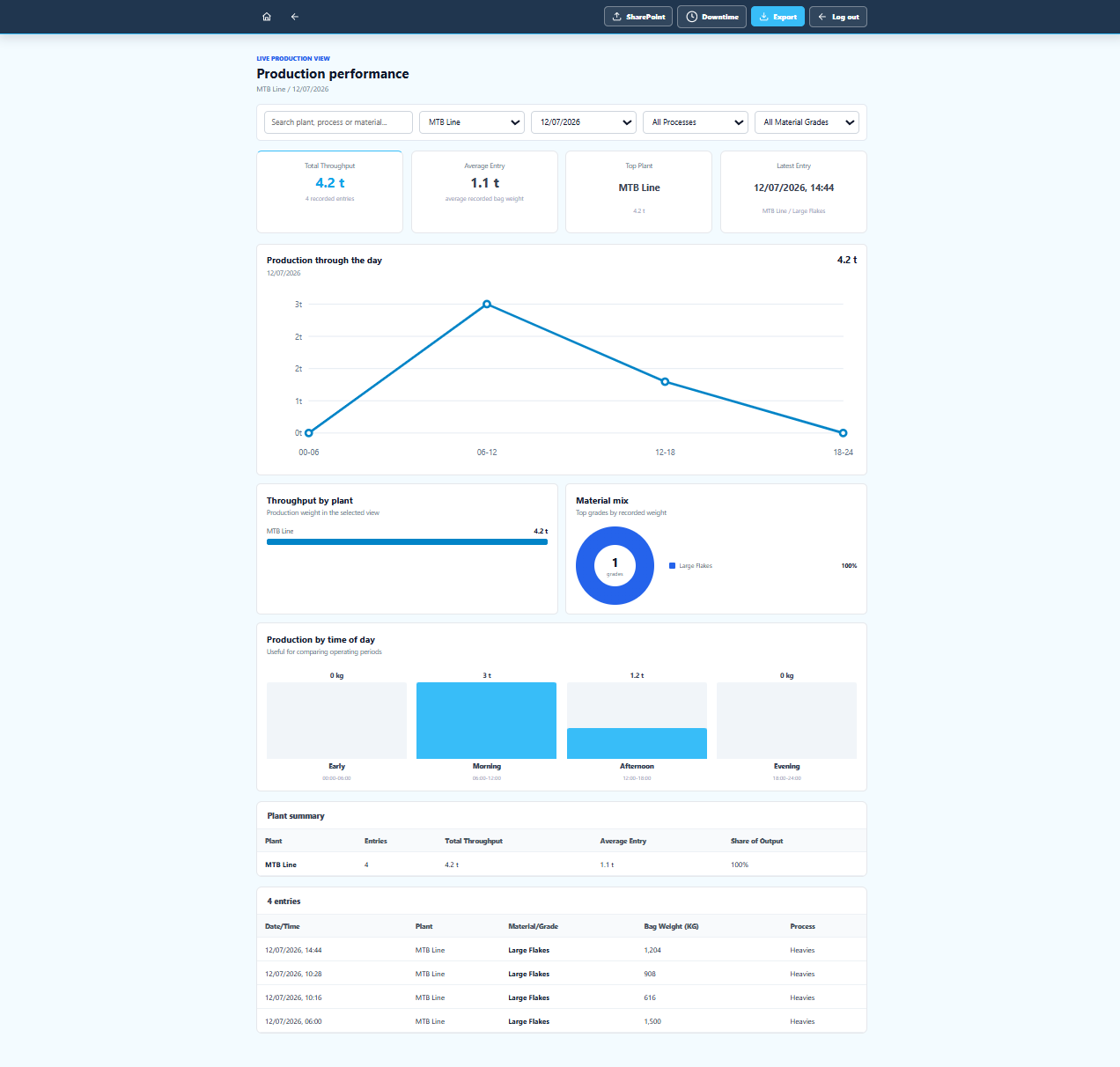
From basic data capture to a full operational management system
A two-phase project that introduced production tracking, downtime reporting, material movements, transport planning and management visibility across a growing recycling operation.